The cardiovascular system of an electronic world.
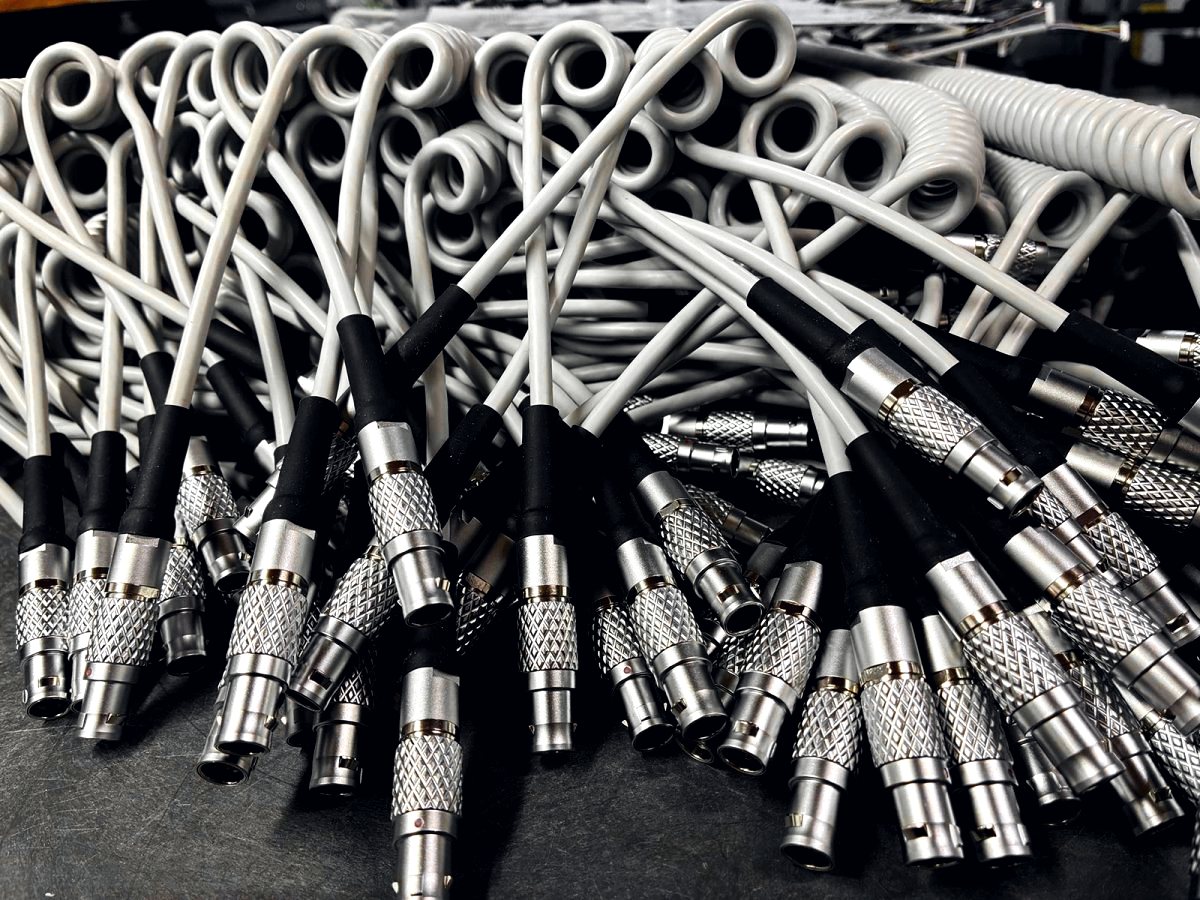
Nothing works until power and signal arrive. KCM builds wire harnesses and cable assemblies for the electronic systems behind modern products.
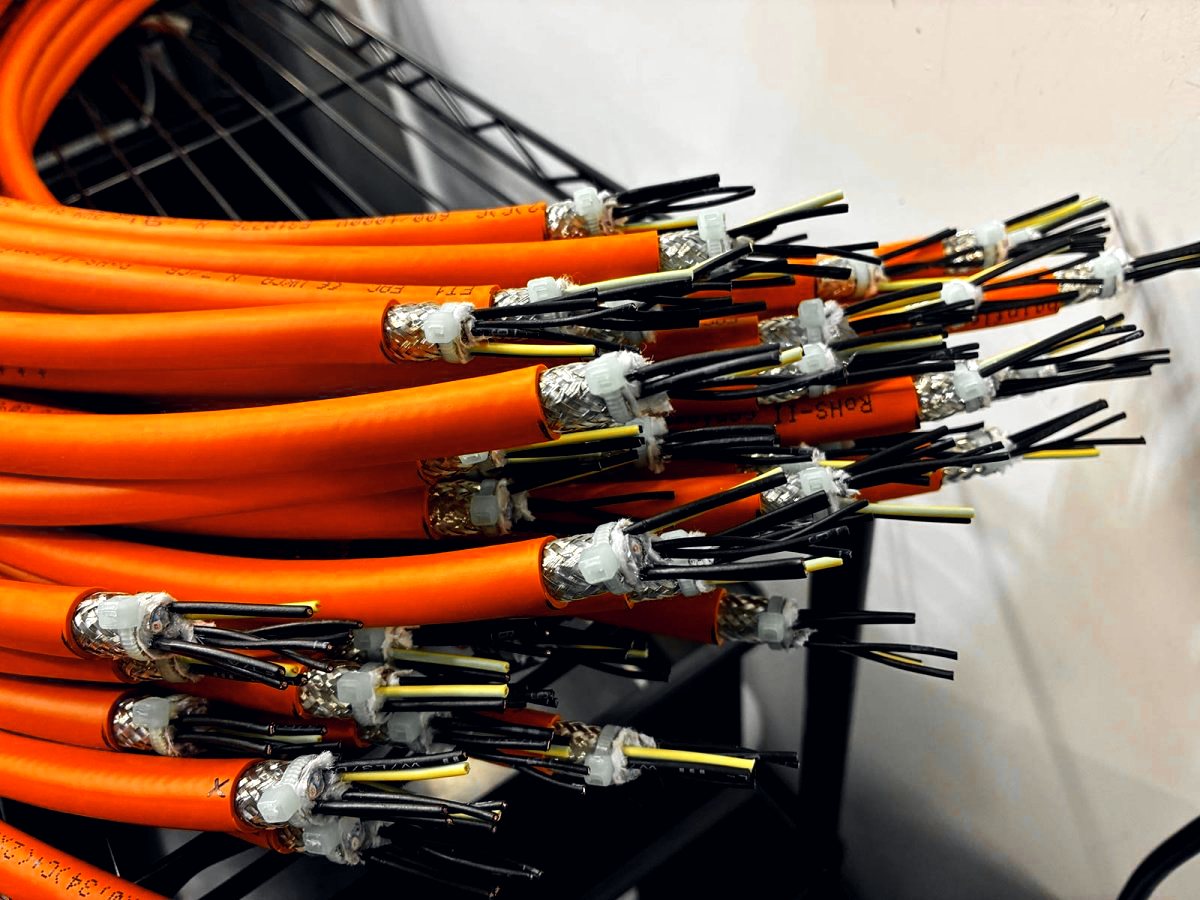
Nothing works until power and signal arrive. KCM builds wire harnesses and cable assemblies for the electronic systems behind modern products.
From circular and industrial connectors to RF, board-level, and power terminations. Hover the map to explore examples. Don’t know the part number? Send the mating half.
A harness is a thousand decisions. We make every one on purpose.
That’s what craft means here: intentional. The branch length, the crimp height, where the shield lands. Every choice made by someone who knew why it mattered.
It’s the difference between a harness that works on the bench and one that still works in year eight, at temperature, under vibration, after somebody’s serviced it twice.
Single- and multi-branch assemblies built from your print, wire list, sample, or requirements.
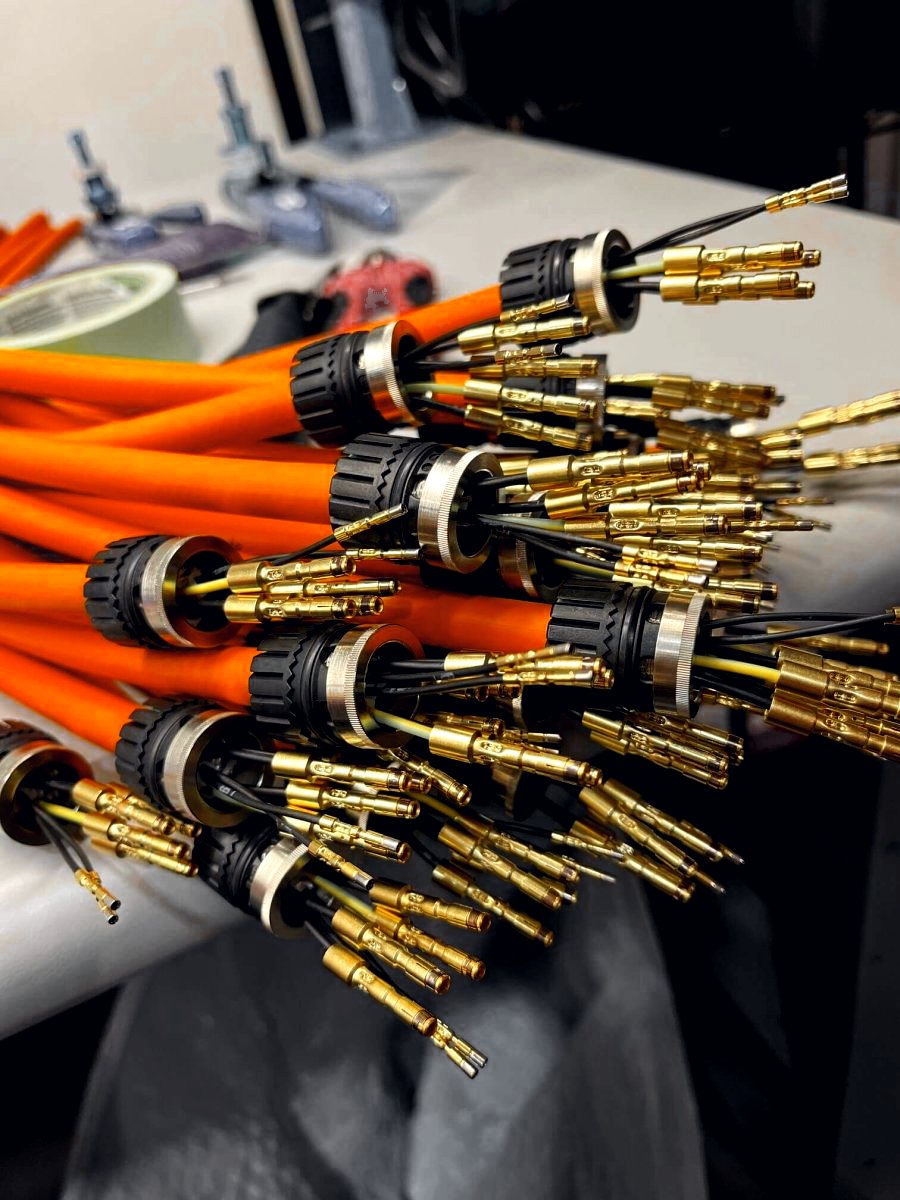
Power, signal, coax, and RF assemblies across common circular, rectangular, board-level, and industrial connector families.
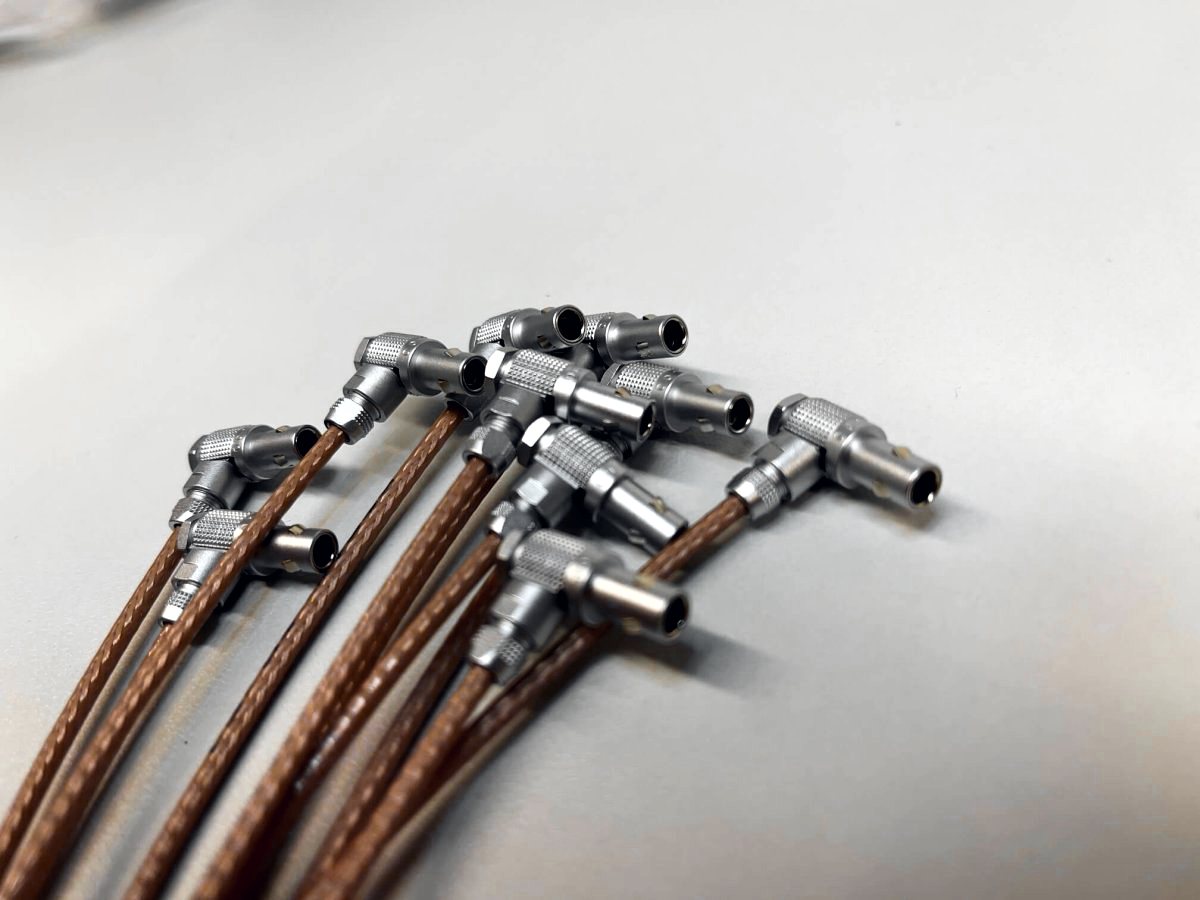
Start with a first article, refine the requirement, then carry the approved build into repeat production.
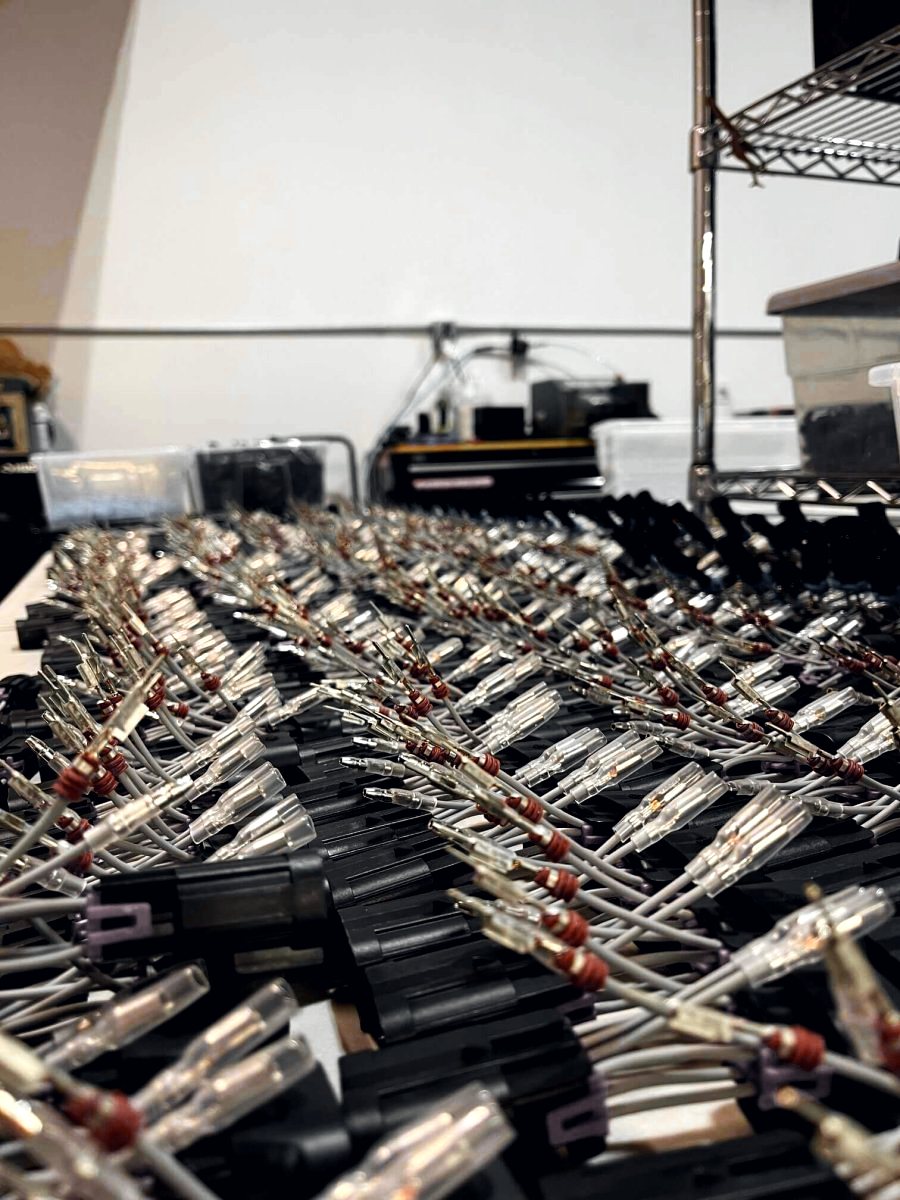
Most harness problems start as design decisions. We get involved before the first crimp.Practical input at quote

The electronic world depends on power and signal arriving where they need to go. That still takes experienced people—reading the requirement, understanding the assembly, and making each cut, crimp, shield termination, and routing decision deliberately.
KCM pairs hands-on manufacturing with organized processes and clear communication. The goal is simple: make complex cable work easier to understand, easier to quote, and easier to build well.
A print, a schematic, a wire list, a photo, or the assembly itself. Do not upload controlled files; call first.
Price, lead time, and anything in the design we'd change before building.
Built, tested, documented. Lead time is quoted against material availability and the program requirements.
Have a print? Send it with the requirement.Request a quote →
Harnesses and cable assemblies for equipment, controls, and support systems.
Interconnects for specialized hardware, test equipment, and ground systems.
Power and signal assemblies for moving systems, sensors, controls, and test equipment.
Cable assemblies for equipment where fit, repeatability, and clear requirements matter.
Interconnects for tooling, instrumentation, test systems, and specialized equipment.
Power and signal assemblies for infrastructure, equipment, and rack-level systems.
Harnesses and cable assemblies for controls, machinery, and field equipment.
Rugged connector and harness work for off-highway and outdoor equipment.
Assemblies for equipment exposed to moisture, corrosion, and difficult service environments.
Cable and harness work for heavy equipment, controls, and remote operating environments.
If it has wire in it, ask. Send what you know and we’ll tell you whether KCM is a fit.
It depends on the job. Prototypes of one can make sense, and many customers begin with a first article before deciding what comes next.
Yes. Send photos or tell us what you have, and we can discuss whether the physical assembly is enough to begin defining the requirement and preparing a quote.
Lead time is quoted against material availability, workmanship, documentation, and test requirements. Repeat production against a locked revision usually runs shorter. Connector availability is often the constraint; we identify it at quote and suggest an equivalent when the requirement allows.
Either. KCM can source material, work with customer-supplied material, or use a mix. We define responsibility and any sourcing requirements in the quote.
No. Do not upload controlled or export-restricted files through this website. Call (801) 472-2640 first so we can determine the appropriate handling path.
We review the applicable workmanship and customer requirements at quote. If your program calls for a specific IPC/WHMA-A-620 class or customer specification, include that requirement so we can confirm fit.
Tooele, Utah , about forty minutes west of Salt Lake City. Yes, come look at the floor. Customers who visit tend to send more work, which is probably the most honest thing we can say about it.
Drawings, a bill of materials, or a photograph of the harness you’re replacing. An engineer returns a quote plan with pricing, lead time, and any practical questions or notes.